

Introduction
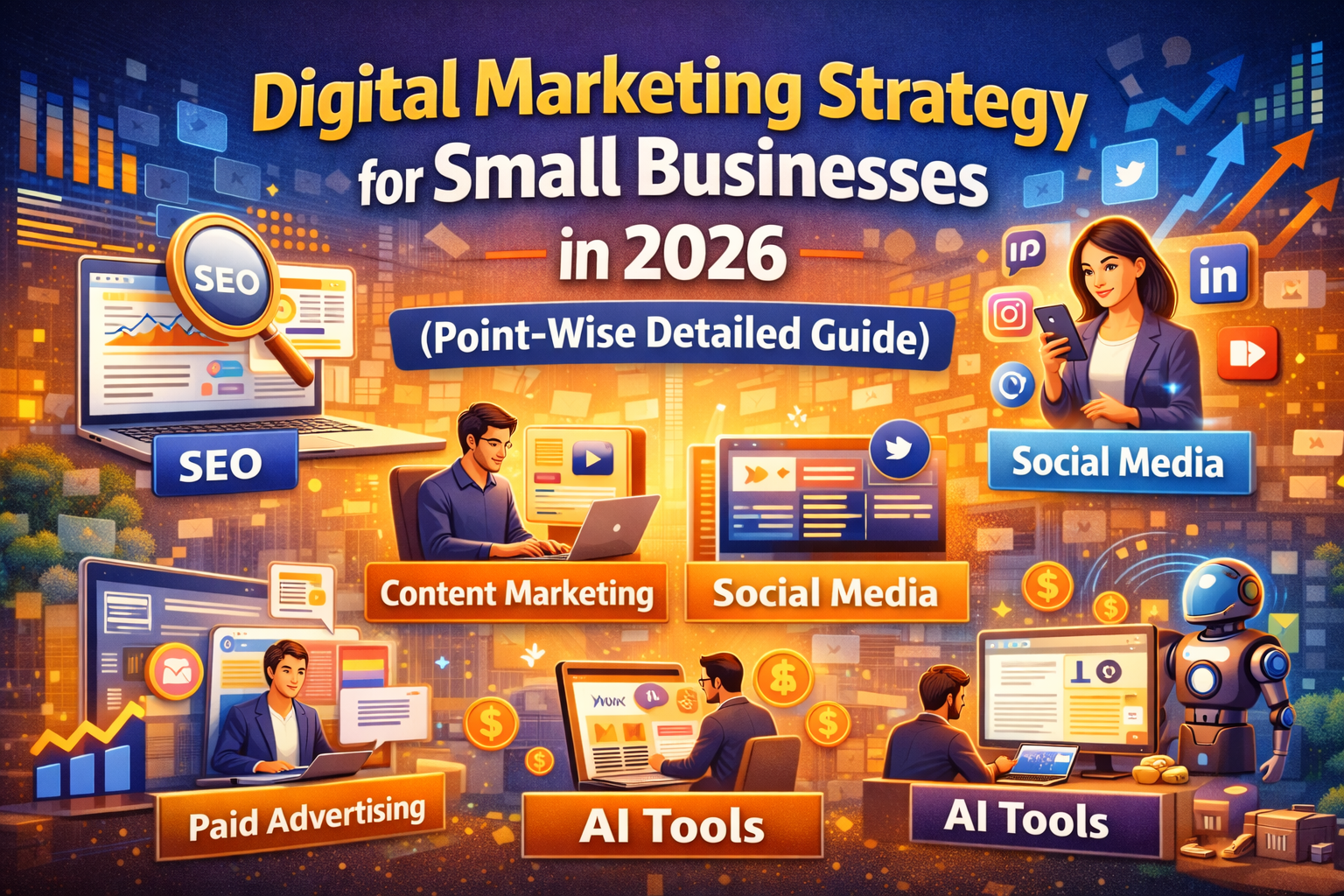
In 2026, businesses without a digital presence struggle to compete. Customers research online before purchasing, compare reviews, watch videos, and engage with brands on social platforms. A structured digital marketing strategy 2026 ensures sustainable growth, predictable leads, and stronger brand authority. Small businesses must adopt a data-driven, content-focused, and automation-powered approach to stay competitive.
1. Search Engine Optimization (SEO)

1.1 Focus on Long-Tail Keywords
Long-tail keywords are specific search phrases with lower competition and higher intent. Instead of targeting broad keywords like “marketing services,” target phrases like “affordable digital marketing for small restaurants in Mumbai.” These keywords attract qualified traffic that is more likely to convert. In 2026, search intent matters more than search volume.
1.2 Optimize On-Page Elements
On-page SEO ensures that search engines understand your content. Each page must include a clear title tag, optimized meta description, structured headings (H1, H2, H3), internal links, and relevant keywords placed naturally. Proper image alt text and mobile responsiveness also improve rankings.
1.3 Improve Technical SEO
Technical SEO strengthens the foundation of your website. Focus on fast loading speed, secure HTTPS protocol, XML sitemaps, structured data markup, and clean URL structures. Google prioritizes websites that provide seamless user experience.
1.4 Build Internal Linking Strategy
Internal links guide users and search engines across your website. Linking blogs to service pages and case studies improves authority distribution and increases time spent on site. A well-structured site architecture enhances crawlability.
SEO provides long-term organic traffic without recurring ad costs, making it essential for small businesses.
2. Content Marketing

2.1 Create Educational Blog Content
Blogging remains a powerful strategy in 2026. Writing in-depth, problem-solving articles helps rank on Google and positions your business as an authority. Aim for high-quality content that addresses real customer pain points.
2.2 Develop Case Studies
Case studies provide proof of your expertise. Highlight the client’s problem, your strategy, execution process, and measurable results. This builds credibility and influences buying decisions.
2.3 Produce Video Content
Video marketing continues to grow rapidly. Small businesses should create explainer videos, tutorials, product demonstrations, and testimonials. Video increases engagement and improves brand recall.
2.4 Leverage Email Marketing
Email marketing remains one of the highest ROI channels. Use newsletters to share updates, educational content, offers, and personalized recommendations. Building an email list protects you from algorithm changes on social platforms.
Content marketing builds trust, and trust converts into revenue.
3. Social Media Marketing
3.1 Maintain Platform-Specific Strategy
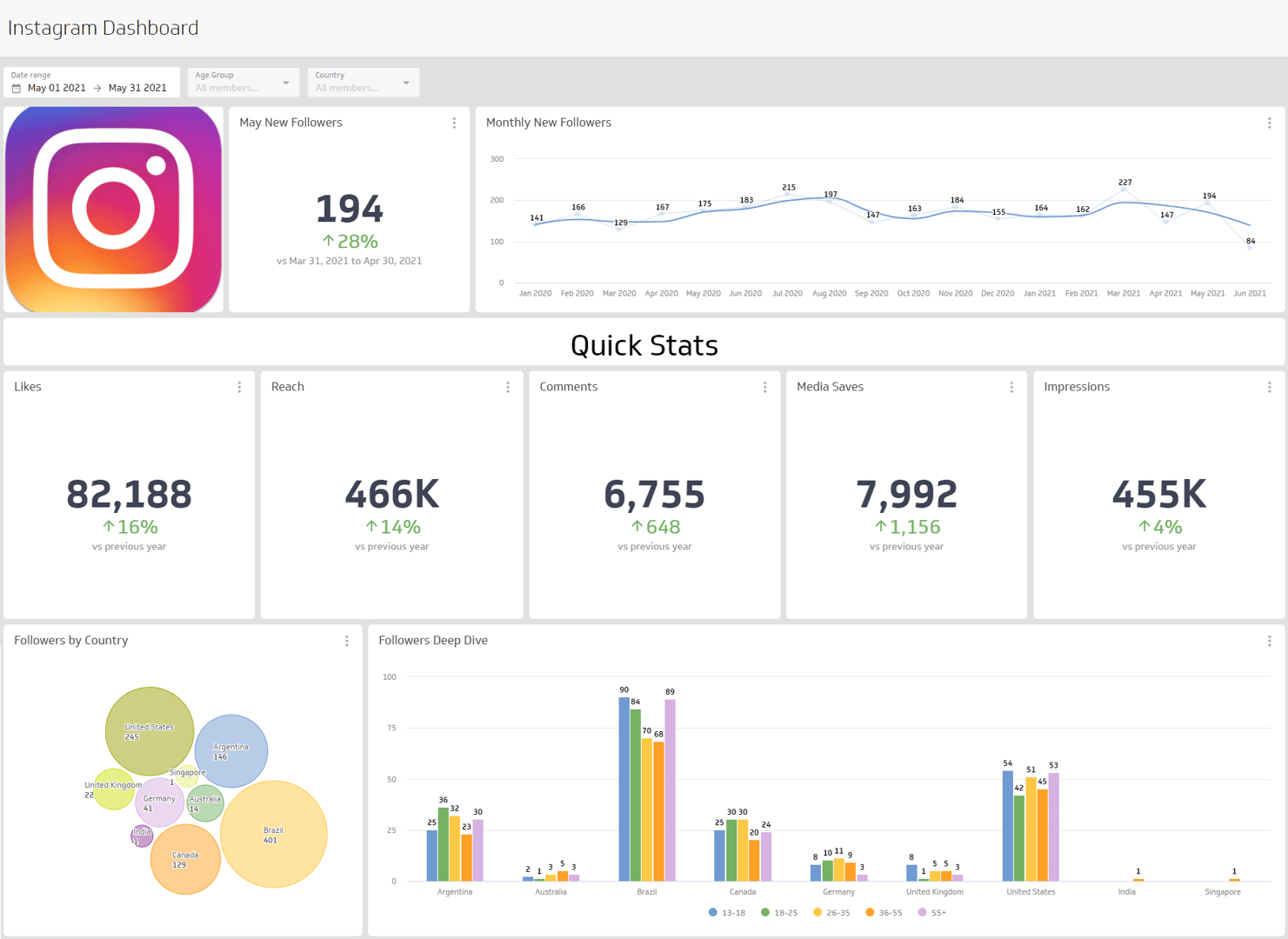
Different platforms serve different audiences. Instagram works well for visual storytelling and product-based businesses. LinkedIn is ideal for B2B and professional services. YouTube builds long-form authority. Facebook helps with community engagement and local targeting.
3.2 Focus on Consistency Over Virality
Posting regularly is more important than chasing viral trends. A consistent posting sche
dule builds familiarity and trust. Aim for 3–5 posts per week depending on platform.
3.3 Engage Actively With Audience
Reply to comments, answer messages, and participate in conversations. Social media is not just broadcasting—it is relationship building.
3.4 Repurpose Content Across Platforms
One blog article can be converted into a LinkedIn post, Instagram carousel, YouTube script, and email newsletter. Repurposing maximizes reach without creating content from scratch every time.
Social media strengthens brand visibility and audience connection.
4. Paid Advertising

4.1 Use Google Ads for High-Intent Traffic
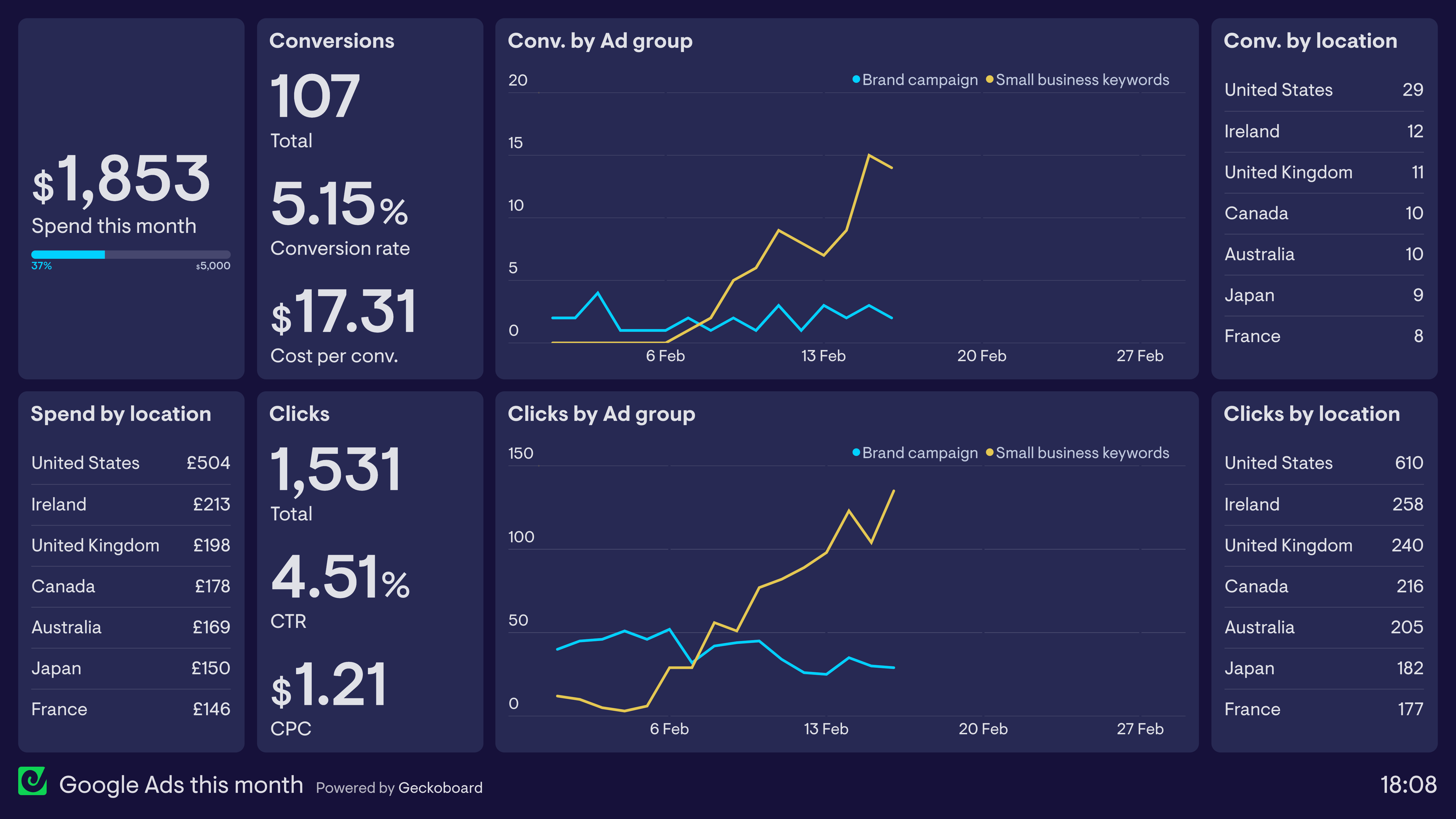
Google Search Ads capture users actively searching for solutions. This is ideal for service-based businesses looking for immediate leads.
4.2 Run Meta Ads for Awareness & Sales
Facebook and Instagram ads are effective for brand awareness, product promotions, and lead generation. Advanced targeting options allow precise audience segmentation.
4.3 Implement Retargeting Campaigns
Most visitors do not convert on the first visit. Retargeting ads remind them about your product or service, increasing conversion rates and reducing customer acquisition cost.
4.4 Start Small and Scale Based on ROI
Begin with a limited budget, test multiple creatives, analyze performance, and scale campaigns that generate positive return on ad spend (ROAS).
Paid advertising accelerates results when supported by strong organic foundations.
5. AI & Automation Tools

5.1 Use AI for Content Assistance
AI tools help generate content ideas, optimize headlines, create outlines, and improve efficiency. However, human creativity and brand voice remain critical.
5.2 Implement Chatbots
AI chatbots provide 24/7 customer support, answer FAQs, collect leads, and improve user experience.
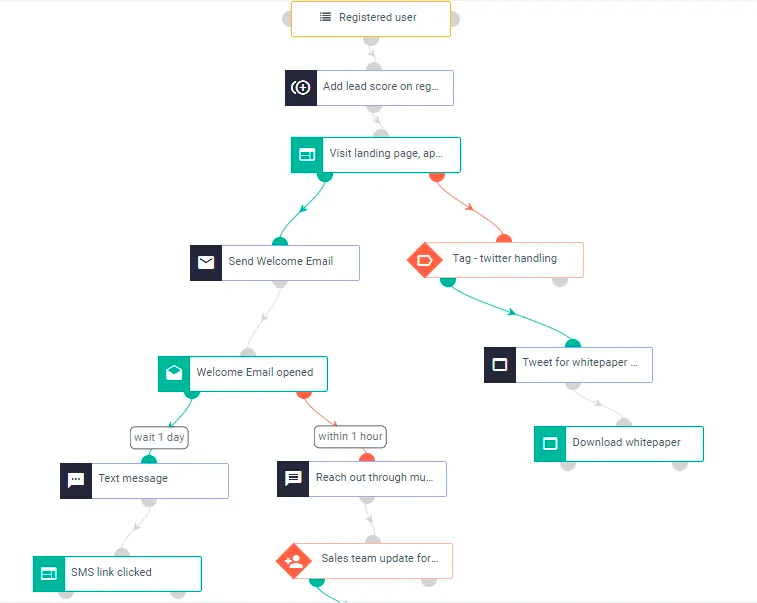
5.3 Automate Email Sequences
Automated workflows such as welcome emails, follow-ups, and abandoned cart reminders increase sales without manual effort.
5.4 Track Data with Advanced Analytics
AI-powered analytics tools track customer behavior, conversion rates, and ad performance. Data-driven decisions improve profitability and reduce wasteful spending.
Automation improves efficiency and scalability for small businesses.
6. Build a Full Marketing Funnel
A successful digital marketing strategy 2026 integrates all channels:
-
SEO drives organic awareness
-
Content builds authority
-
Social media increases engagement
-
AI tools enhance efficiency
This creates a funnel:
Awareness → Engagement → Conversion → Retention → Advocacy
Businesses that align strategies across the funnel achieve sustainable growth.
Conclusion
Digital marketing in 2026 is strategic, data-driven, and automation-powered. Small businesses must move beyond random posting and adopt a structured approach.
A strong digital marketing strategy 2026 focuses on:
-
Long-term SEO growth
-
Trust-building content
-
Consistent social media presence
-
ROI-based paid advertising
-
AI-powered automation
When implemented systematically, these strategies generate predictable leads, higher conversions, and long-term brand authority.
Success in 2026 belongs to businesses that market intelligently, measure performance consistently, and adapt quickly to digital trends.
[…] Step 5: am […]