

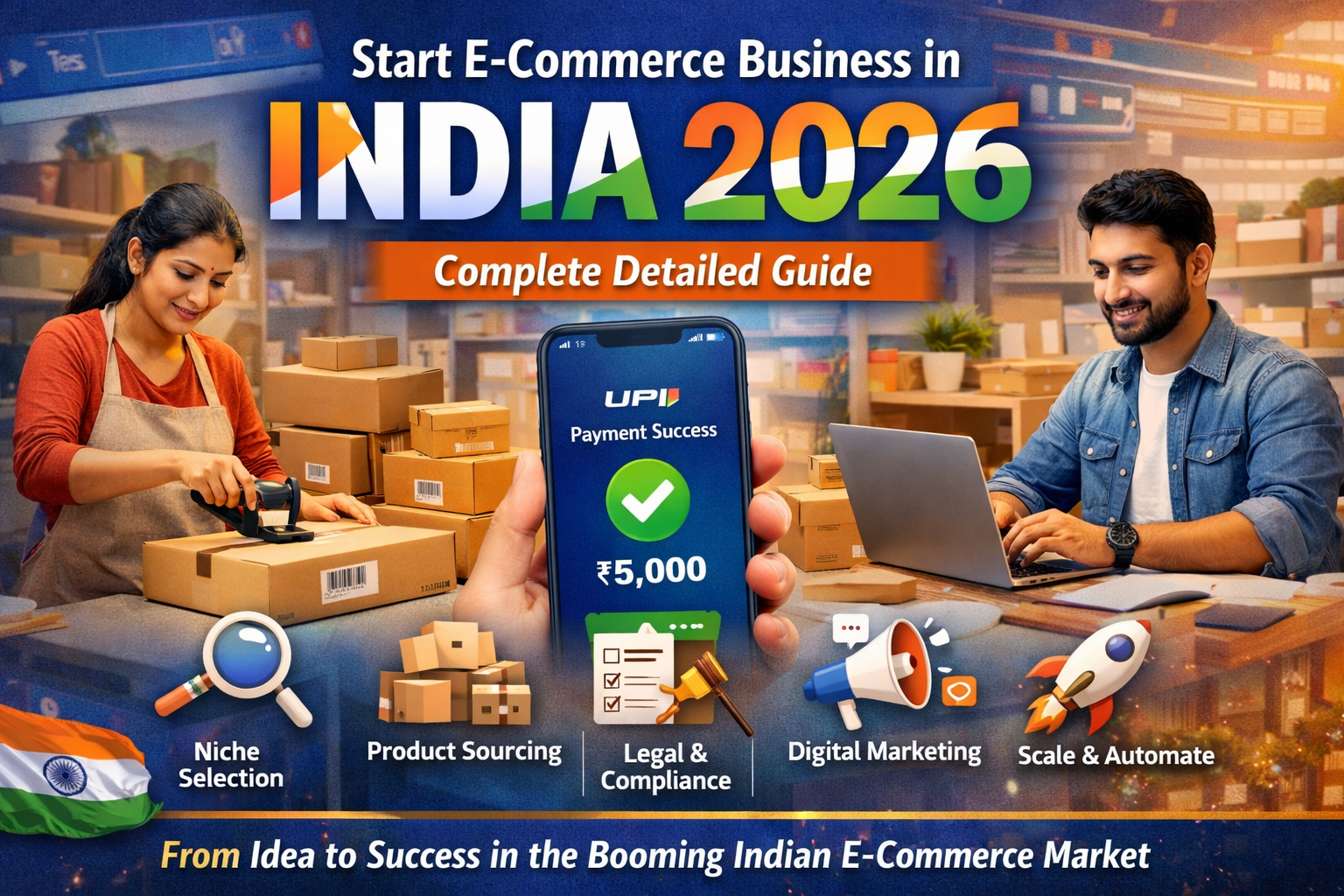
India’s digital commerce ecosystem in 2026 is more mature, competitive, and opportunity-rich than ever before. With UPI dominating digital payments, improved last-mile logistics in Tier 2 and Tier 3 cities, and increasing consumer trust in online brands, launching an online business is strategically viable. However, success requires structured planning, data-driven decision-making, and brand positioning—not impulsive product listing. If you want to start e-commerce business in India 2026, this comprehensive guide explains every stage in depth.
Step 1: Choose the Right Product Niche
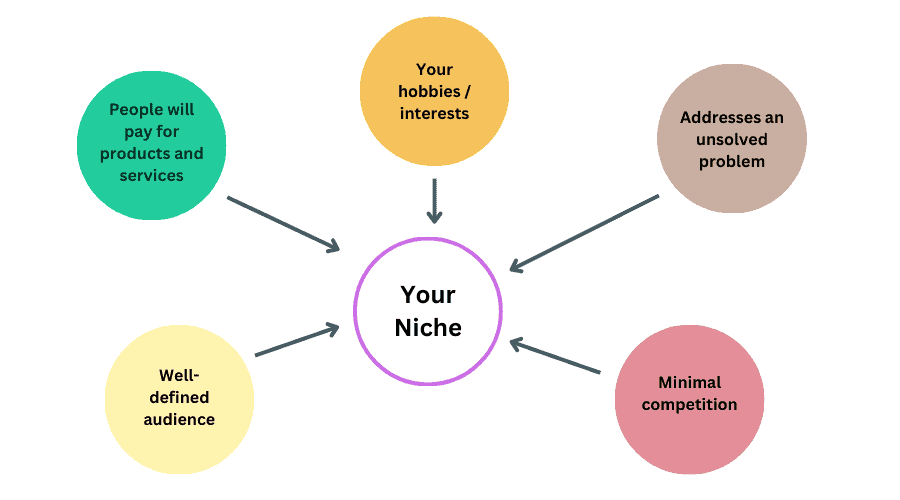
Niche selection is the most critical strategic decision. Many first-time sellers fail because they chase trending products without evaluating demand sustainability, competition intensity, and unit economics.
A profitable niche must satisfy five core conditions: consistent demand, moderate competition, healthy margins (minimum 30–50%), repeat purchase potential, and a clear customer problem it solves. Instead of selecting random items, validate using marketplace research and search behavior analysis. Study bestseller rankings on platforms like Amazon India and Flipkart. Analyze customer reviews to identify gaps in existing products—negative reviews often reveal opportunities for differentiation.
In 2026, high-potential niches include organic food products, home fitness equipment, smart lifestyle gadgets, and personalized gifts. Health-conscious consumers are increasingly purchasing chemical-free groceries and supplements. Hybrid work culture continues to drive demand for home gym accessories and ergonomic products. Smart gadgets offer strong margins due to branding opportunities. Personalized items command premium pricing because of emotional value.
Before committing capital, test your niche by ordering small inventory batches or launching via pre-orders. Product-market fit should be validated before scaling.
Step 2: Select the Right Selling Platform

Your platform strategy determines your speed of launch and long-term brand value. Broadly, you can choose between marketplaces and your own website.
Marketplaces such as Amazon India, Flipkart, and Meesho provide immediate access to high traffic volumes. They handle logistics, payments, and customer trust infrastructure. This reduces operational complexity for beginners. However, marketplace selling has disadvantages: commission fees, heavy competition, price wars, and limited control over customer data.
On the other hand, building your own website through platforms like Shopify allows complete control over branding, pricing, and customer retention. You own the customer database and can implement advanced marketing automation. The drawback is that you must generate traffic independently through digital marketing.
The optimal strategy for 2026 is hybrid execution: validate products on marketplaces for quick traction while simultaneously building a D2C website for long-term brand equity.
Marketplaces (Faster Entry)
-
Flipkart
-
Meesho
Step 3: Product Sourcing Strategy
Profit margins are determined at the sourcing stage, not at the selling stage. Effective sourcing requires negotiation skills, quality control, and cost analysis.
You can source products from local manufacturers, wholesale markets, private labeling units, or adopt a dropshipping model. Local manufacturers provide customization flexibility and consistent quality, but may require higher minimum order quantities (MOQs). Wholesale markets are suitable for testing multiple SKUs quickly. Private labeling enables you to create brand identity by selling generic products under your own brand name, significantly increasing perceived value. Dropshipping reduces inventory risk but lowers margins and limits quality control.
Always order product samples before bulk purchasing. Evaluate packaging strength, durability, compliance standards, and branding compatibility. Factor shipping costs, storage costs, and potential return rates into your pricing model.
Step 4: Legal and Business Compliance
Formalizing your business builds credibility and ensures regulatory compliance. To start an e-commerce business in India in 2026, you must obtain GST registration if your turnover crosses threshold limits or if you sell through marketplaces. A current bank account in your business name is essential for payment settlements. Trademark registration protects your brand identity from imitation. If you sell food products, FSSAI registration is mandatory.
Many beginners start as sole proprietors for simplicity and cost efficiency. As revenue grows, transitioning to a private limited company may offer tax and funding advantages.
Step 5: am
Marketing determines scalability. Even the best product fails without visibility. Your digital marketing strategy should integrate organic and paid channels.
Search Engine Optimization (SEO) builds long-term traffic by optimizing product titles, descriptions, and blog content around high-intent keywords. A fast-loading, mobile-optimized website enhances user experience and search rankings.
Social media marketing, particularly short-form video content, dominates consumer engagement in 2026. Instagram Reels showcasing product demonstrations, user testimonials, and problem-solving scenarios drive conversions. Consistency matters more than virality.
Influencer collaborations are highly effective when targeting niche audiences. Micro-influencers often generate higher engagement rates than celebrity endorsements. Offer free samples in exchange for authentic reviews.
Paid advertising through Meta Ads and Google Ads accelerates growth but must be data-driven. Monitor metrics such as cost per acquisition (CPA), return on ad spend (ROAS), and customer lifetime value (CLV) to maintain profitability.
1. SEO (Search Engine Optimization)
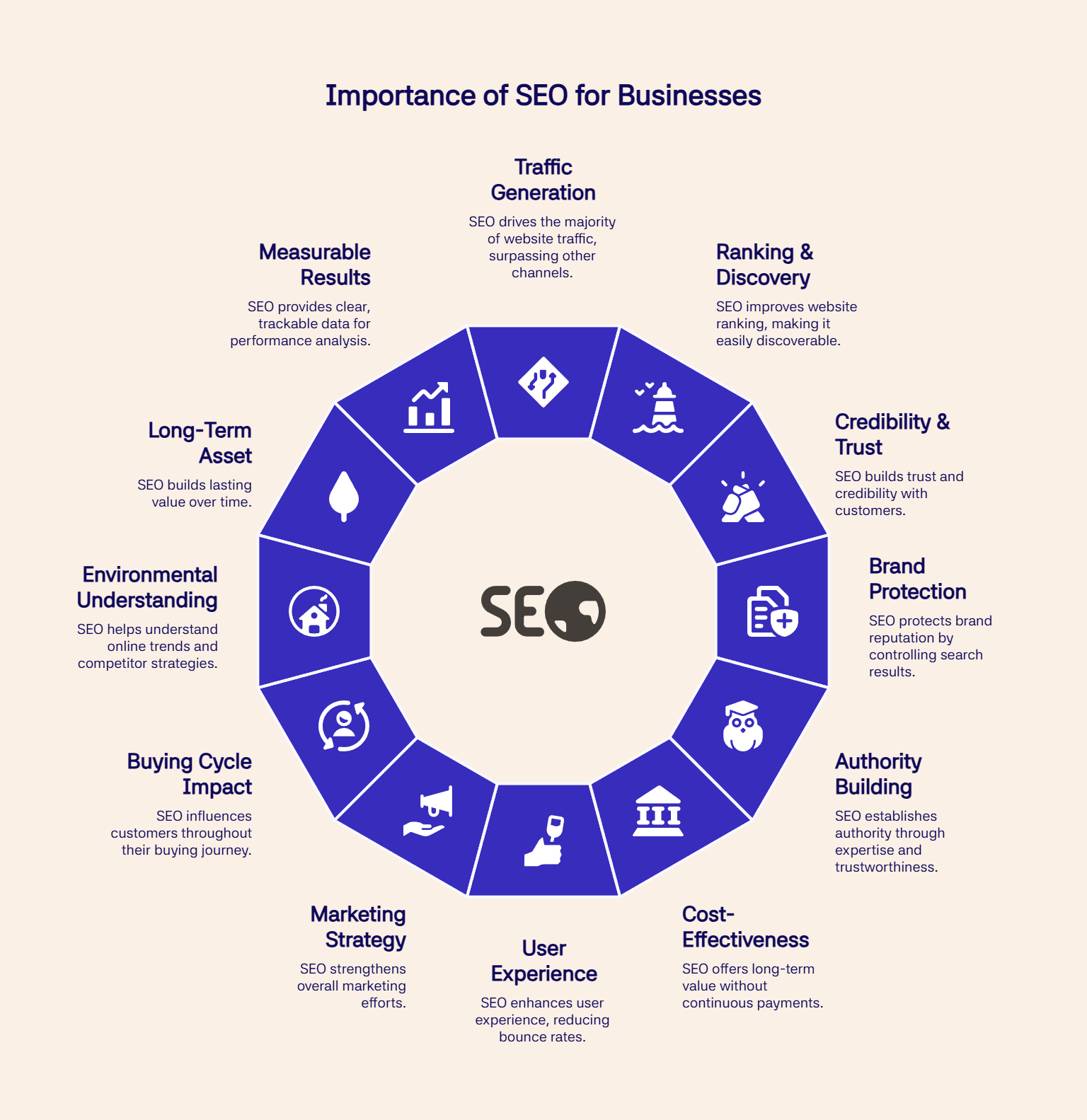
Keyword-rich product descriptions
Blog content
Fast website speed
Mobile optimization
SEO builds long-term free traffic.
________________________________________
2. Instagram & Reels Marketing
Short-form video dominates 2026 marketing.
Product demos
Problem-solving videos
Behind-the-scenes content
Customer testimonials
Consistency > Virality.
________________________________________
3. Influencer Collaborations
Micro-influencers (10K–50K followers) give better ROI than celebrities.
Send free samples in exchange for reels and reviews.
________________________________________
4. Paid Advertising
Start small:
Meta Ads
Google Ads
Marketplace sponsored listings
Always test multiple creatives and audiences.
Step 6: Pricing and Profit Strategy
Pricing should be strategic, not emotional. Calculate total cost per unit by including product cost, shipping, packaging, platform commission, and advertising expenses. After determining total landed cost, add a profit margin of at least 30–50%.
Avoid competing solely on price. Instead, differentiate through branding, quality, and customer experience. Premium positioning often yields better long-term sustainability than discount-driven strategies.
Step 7: Customer Experience and Retention
Customer retention significantly improves profitability because acquiring a new customer is more expensive than retaining an existing one. Focus on fast dispatch times, professional packaging, clear communication, and responsive support.
Offer easy return policies and post-purchase follow-ups. Implement WhatsApp support and automated email flows for order updates and repeat purchase reminders. Positive reviews enhance marketplace ranking and brand trust.
Step 8: Scale with Automation
Once sales stabilize, operational efficiency becomes critical. Inventory management software prevents stockouts and overstocking. AI-powered chatbots handle customer queries instantly, improving response time. Email marketing automation nurtures leads and drives repeat purchases.
Data analytics tools help track customer behavior, enabling targeted promotions and personalized recommendations. Automation reduces dependency on manual processes and enables scalable growth.
Step 9: Build a Strong Brand
In 2026, brand perception differentiates successful businesses from generic sellers. Branding includes logo design, cohesive packaging, storytelling, and consistent messaging. Customers increasingly prefer brands that reflect values such as sustainability, quality, or innovation.
Develop a clear brand voice and visual identity. Invest in high-quality product photography. Communicate a compelling brand story that connects emotionally with your audience.
Conclusion
To successfully start e-commerce business in India 2026, you must combine research, compliance, sourcing efficiency, marketing expertise, and branding strategy. The opportunity is substantial, but execution discipline determines outcomes. With systematic planning and consistent effort, an online store can evolve into a scalable and profitable digital asset.
If needed, the next step would be building a structured 30-day execution roadmap to move from idea to launch with measurable milestones.